Insights, research, and practical guidance on digital strategy, promotion, and performance.
Article Categories
What You Need to Know About Digital Circulars
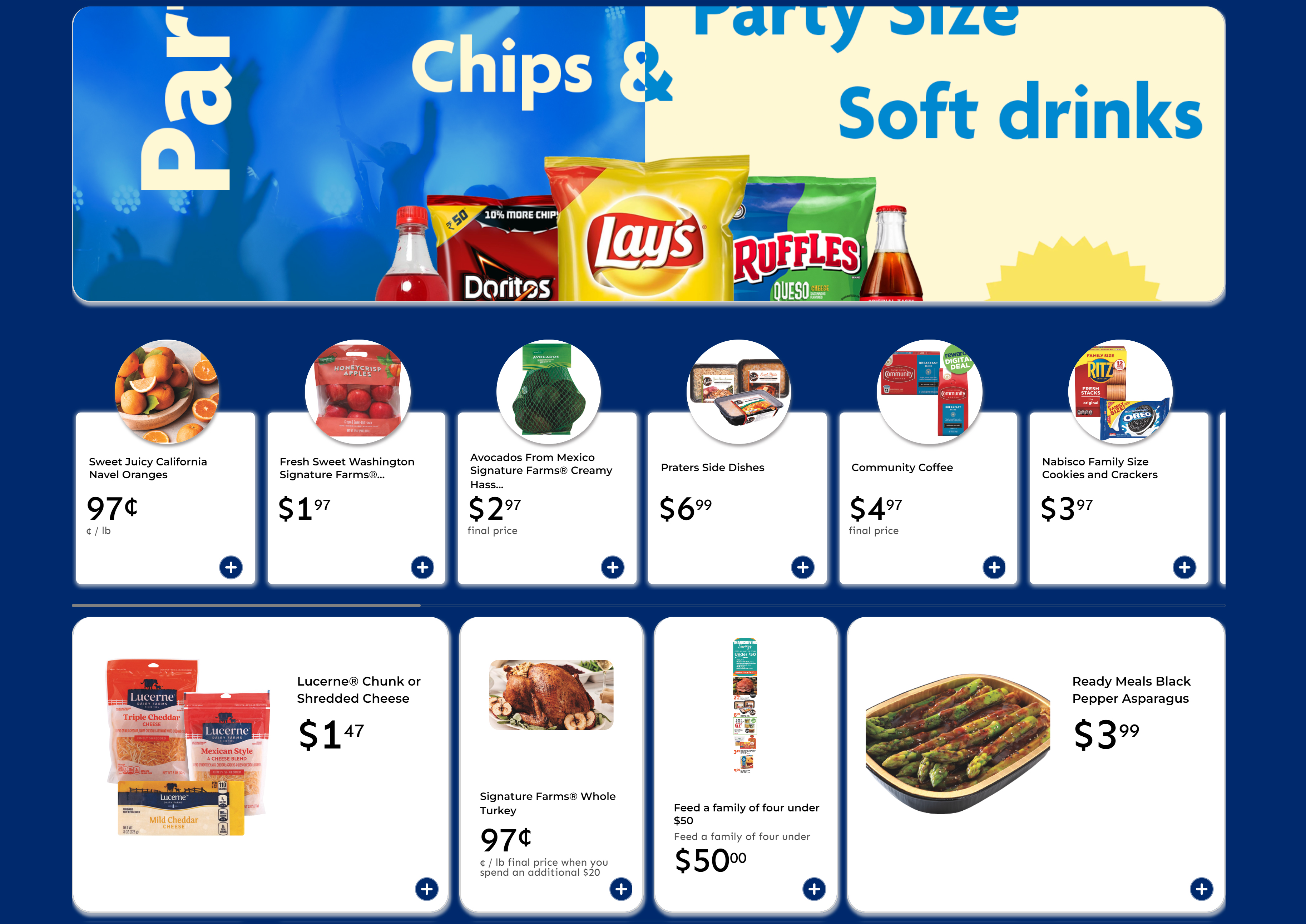
A digital circular is the online evolution of the classic print flyer, designed not just for browsing, but for interaction. Unlike static PDFs, these are dynamic, mobile-optimized, and trackable, bridging the gap between digital discovery and the physical store.
Digital Catalogs are Providing the Flexibility Manufacturers Need with Tariff Uncertainty
In an era of trade volatility, manufacturers need the agility to adapt pricing and product data quickly. Digital catalogs allow brands to update prices instantly, highlight domestic alternatives, and maintain transparency amid shifting sourcing strategies.
Replace Print Catalogs with Digital: Why B2B Trade and Manufacturers Must Transform
Traditional print catalogs are often outdated by the time they reach customers. For B2B manufacturers, switching to interactive digital catalogs unlocks real-time pricing updates, mobile-friendly searchability, and deep shopper insights that static PDFs can't provide.
Kitchen & Bath Case Study: Scaling Sales with Digital Catalogs
A global leader in kitchen and bath products replaced its print legacy with an interactive digital catalog to support showroom staff and contractors. The transition led to a 61% lift in page views per session and a 16x increase in product clicks while advancing sustainability goals.
How to Drive In-Store Sales through Digital Channels
Modern consumers don't distinguish between online and offline channels. By leveraging geo-targeted ads, location-based mobile marketing, and click-and-collect services, retailers can turn online discovery into measurable in-store foot traffic and sales growth.
The Regional Grocer’s Guide to Digital Acquisition
Digital advertising is now the primary driver for grocery store foot traffic. Regional grocers must understand the trade-offs between display networks, social media, and third-party apps to effectively reach shoppers and own their customer data.
Red Pepper Launches ‘Dynamic Catalogs’ for Retailers and Brands
Red Pepper Digital's new Dynamic Catalogs allow retailers to build digital flyers directly from data feeds, bypassing the need for print PDFs. This mobile-first solution integrates rich video and personalization to drive higher retail conversion rates.
3 Consumer Spending Trends that Every Retailer Needs to Know
Consumer confidence is steady, but basket sizes are shifting. Learn how to adapt your retail strategy by targeting Gen Z through social commerce, creating inspirational digital content, and leveraging shopper data for hyper-personalization.
Moving Beyond Vanity Metrics: The True ROI of Promotional Advertising
Clicks and traffic don’t always translate to revenue. By moving beyond vanity metrics and using closed-loop attribution, regional retailers are connecting promotional advertising directly to in-store sales and measurable basket growth.
Why “We Drove More Traffic” Isn’t a Strategy for Digitally Savvy Retailers
For promo-led retailers, driving more traffic isn’t enough. Digitally savvy chains are shifting from channel-based KPIs to an Attract → Engage → Convert framework that ties promotions directly to measurable sales and category lift.
IGA and Red Pepper Digital Announce Red Oval Partnership to Deliver Next-Generation Digital Marketing for Independent Grocers
IGA USA has named Red Pepper Digital a Red Oval Partner, giving independent grocers access to digital circular and targeted advertising platforms designed to modernize promotions, strengthen shopper engagement, and drive measurable sales growth.
How Shoppers Really Feel About Personalized Shopping Experiences
Shoppers expect personalized experiences, but only when they feel helpful and transparent. Retailers that use first-party data to deliver relevant promotions build trust, while invasive or inaccurate personalization risks driving customers away.
We use cookies to ensure that we give you the best experience on our website. If you continue to use this site we will assume that you are happy with it.